Water: Working On or Near
Working on or near bodies of water, including swimming pools, lakes, rivers, canals, quaysides and ports.
Updated: 9 August 2024
See our separate Guide for for those working in Boats.
What Can Go Wrong?
- Slip or trip at the water’s edge, on pontoons, quaysides, when crossing boats and falling into water or drowning.
- Fall overboard or drown, or be injured by moving boat.
- Hit by a moving vehicle or load around docks/ ports/ harbour.
- Vehicles, support, grips equipment falling into the water from unmarked edges, docksides, harbour walls and unstable banks etc.
- Stranded or washed away due to incoming tides, rising flood waters or boat wakes.
- Extreme weather (exposure to direct sunlight/ heat, cold).
- Electric shock from use of electrical equipment.
- Infections from rats’ urine such as Weils disease (Leptospirosis).
Legal/BBC Requirements
- There may be licencing conditions for any waterway or lakes, check with the relevant agency. (Environment Agency, Maritime and Coastguard Agency, Port of London Authority etc.) Be aware that different restrictions can apply on even the same waterways when working in harbours/ marinas or, when filming internationally.
- There are specific requirements when working with Boats see the Boats: Working on page
- If in any doubt, speak to BBC Safety when planning such activities.
Control Measures
General Controls
- Ensure you are working a sufficient distance from the water’s edge.
- Wear suitable flat robust shoes with non-slip soles.
- Be aware of trip hazards at the water’s edge and remove where possible.
- Understand the local emergency plans. Develop rescue plans if there is a risk of falling into the water.
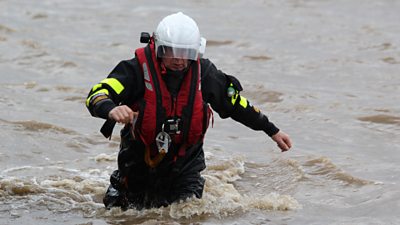
- Wear life jackets or buoyancy aids where there is a risk of entering water. Choose the correct life jacket for the conditions eg, manual or automatic inflation and make sure it is fitted correctly (see Recommended Links - RNLI video)
- Wear waterproof clothing suitable for location / weather conditions and take spare clothes are taken if likely to get wet.
- Use battery powered equipment wherever possible. Where mains power is used, ensure cables, sockets etc. are suitable for the environment (Ingress Protection, IP, rated for water) and connected through a residual current device (RCD).
- Brief crew to ensure any cuts or abrasions are covered with waterproof dressings to avoid any risk of infection
- Use good personal hygiene.
- Ensure the team’s immunisations are up to date and staff knows the signs and symptoms of leptospirosis or Hepatitis A when working on or near flood waters, sewers and rivers.
- Plan breaks and hot drinks in warm places, if weather is wet / cold.
Ports, harbours and docksides
- Find out site rules and prohibited areas with harbour masters, port authorities and local experts. Keep 2 metres from the edges of docks, harbour walls etc.
- Ensure where required, supervision by local authorities.
- Check to see if there are any vehicle and crane movements in the areas that you wish to work.
- Observe & adhere to all the road signage and speed restrictions.
- Be aware of all ropes & chains trailing across walkways.
- Be aware of oils and greasy surfaces.
- Site rules may require high-viz vest and steel toes caps when working on docks.
- Seek advice on further protection measure that may be required from Health Protection Agency or Environment Agency for example, when filming near rivers or sewers.
Swimming Pools
- Around swimming pools wear plastic non-slip ‘inside’ shoes.
- Consider arranging a suitably qualified lifeguard.
Tides and Coastal Surge Risks
- See our separate Guide to Floods and Coastal Surges.
Division Specific Issues
- Incorporating Radio OB MS M024-09 Working On or Near Water.
FAQs/Did You Know?
- Safety stores provide a range of safety equipment and wet weather gear suitable for outdoor and boat use.
- Buoyancy aids are not life jackets and won’t support an unconscious casualty face up in the water or provide as much lift, so think carefully about the specific life saving protection required.
Recommended links
Water topics
Water: Working On or Near
Guidance to working on or near water.
Boats: Working on
A guide to working and filming from boats.
Diving
A Guide to Scuba Diving and free Diving in both open water and pools.
Floods and Coastal Surges
A guide to inland floods.