MERS: Middle East Respiratory Syndrome
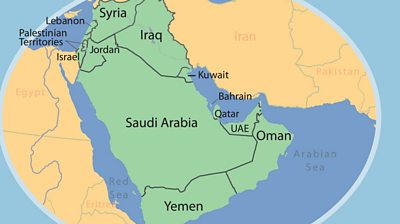
This is a virus that is new to humans and was first identified in Saudi Arabia in 2012.

This is a virus that is new to humans and was first identified in Saudi Arabia in 2012. There have been about 1000 laboratory confirmed cases which have mainly been located in the Middle East, although as of May 2015 cases have occurred in South Korea.
Approximately one third of cases have been fatal. There is no vaccination for the disease at present.
MERS is a viral respiratory disease caused by a coronavirus. The symptoms normally start with a cough, a fever, then developing shortness of breath and a pneumonia type illness. The original source of the infection is unknown, but we know that Camels can harbour the disease and it could be from this animal source that the spread has happened to humans.
The MERS virus only spreads through close contact between individuals such as caring for or living with an infected person, but the exact mechanisms are still not fully understood. Many infections have occurred in healthcare settings such as hospitals, but researchers have not seen any ongoing spreading of MERS in the community.
Precautions
The risk of contracting the disease by travel to affected areas is very low. All travellers however should take the following everyday precautions to help minimise the spread of germs:-
- Wash your hands often with soap and water. If soap and water are not available, use an alcohol-based hand sanitizer.
- Avoid touching your eyes, nose, and mouth. Germs spread this way.
- Avoid close contact with sick people.
If specifically travelling to record or film in healthcare facilities where there are MERS cases you should seek specialist advice before doing so. Normally it is not recommended that BBC staff enter clinical areas where they could be closely exposed to those with the infection, however filming in the other public access parts of the healthcare facility is likely to be very low risk.
Camels
The MERS virus has been found in some camels, and some MERS patients have reported contact with camels. However we do not know exactly how people become infected with the virus. The WHO has posted a general precaution for those visiting farms, markets, barns or other places where animals are present and advises individuals to practice general hygiene measures including regular handwashing before and after touching animals, avoiding contact with sick animals or animal products and avoiding consumption of raw or undercooked animal products.
Recommended links
Disease-specific topics
Bird Flu
Advice for staff covering the outbreak of avian 'flu in Yorkshire in 2014

Living with Coronavirus (Covid-19) – advice for staff
Advice for staff about travel and/or interviewing guests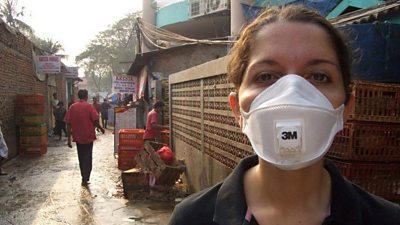
Disease and Contact with Viruses and Bacteria
A guide for anyone deployed to areas where there is risk from infectious disease from human, animal, insect or parasite sources, including zoonoses. These controls can also apply to harmful bacteria found in incidents such as sewage spills.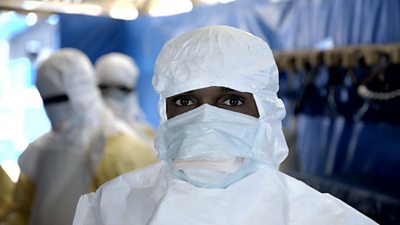
Ebola Virus Disease (EVD)
Ebola is a contagious and often fatal illness which has had periodic outbreaks in the DRC and Sudan.