University student dey among two pipo wey die for Kent meningitis outbreak

Wia dis foto come from, PA Media
Two pipo wey include one student of di University of Kent don die afta di outbreak of meningitis.
BBC South East understand say 11 more pipo from di Canterbury area currently dey for hospital and report say dem dey seriously ill.
BBC understand say most of dem na students for di university and dia age na between 18 and 21.
Di two pipo wey don die from di meningitis outbreak dey between 18 and 21-year-old.
One University of Kent tok-tok pesin confam say one of di two na student for di university.
UK Health Security Agency (UKHSA) don contact more dan 30,000 students, staff and dia families to inform dem of di situation.
One UKHSA tok say dem dey arrange antibiotics for some students for di Canterbury area following di outbreak, plus say dem neva identify di specific strain of di disease.
One letter from di UKHSA to University of Kent students and staff, wey di BBC see, tok say make pipo wey dey live and work for certain blocks for di campus receive antibiotics "without delay".
For one statement, di university tok: "Di safety of our students and staff remain our highest priority.
"We dey work closely wit public health teams and we dey in touch wit staff and students to ensure say dem get di advice and support dem need."
BBC understand say di outbreak fit dey linked to one social event for Canterbury, and some of di pipo wey attend fall sick.
Specialists for di UKHSA dey interview dos affected to identify close contacts, one spokesperson tok.
Meningitis symptoms
Meningitis na one infection of di protective membranes wey dey surround di brain and spinal cord and e fit dey serious if e no dey treated urgently.
Na bacterial or viral infection dey cause am. Bacterial meningitis dey rare but e dey more serious pass viral meningitis.
Infections wey dey cause meningitis dey spread through:
- sneezing
- coughing
- kissing
Pipo dey get Meningitis from pipo wey carry these viruses or bacteria for dia nose or throat but dey demsef no dey sick.
If dem no quickly treat am, e fit cause life-threatening sepsis and lead to permanent damage to di brain or nerves.
Symptoms of meningitis and sepsis include:
- high temperature
- cold hands and feet
- vomiting
- confusion
- breathing quickly
- muscle and joint pain
- pale, mottled or blotchy skin (dis fit dey hard to see on brown or black skin)
- spots or a rash (dis fit dey hard to see on brown or black skin)
- headache
- stiff neck
- dislike of bright lights
- pesin go dey very sleepy or difficult to wake
- fits (seizures)
(Source: NHS)
Trish Mannes, UKHSA regional deputy director for di South East, say students fit dey at risk of missing symptoms becos dem fit "easily confuse am wit oda illnesses like bad cold, flu or even hangover".
She add say: "Students and staff go dey worry about di risk of further cases; however, we go like to reassure dem say dem don give close contacts of cases antibiotics as precautionary measure."
Anyone wey no well and dey show symptoms of meningitis and septicaemia dey urged to go dia closest A&E department or call 999.
'Remain vigilant'
Meningitis fit affect anybody but e dey most common in babies, young children, teenagers and young adults.
Dr Tom Nutt, chief executive of Meningitis Now, tok say: "Meningitis fit progress very quickly and di impact dey devastating, particularly for young people and dia loved ones.
"University students and young adults dey among di groups wey get increased risk becos meningitis bacteria fit spread more easily for settings wia pipo dey live, study and socialise closely togeda.
"We urge students, staff and families to remain vigilant for di signs and symptoms of meningitis."
Canterbury MP Rosie Duffield for inside one statement on X say di deaths dey "really tragic" and she dey "tink very much" of dia loved ones.
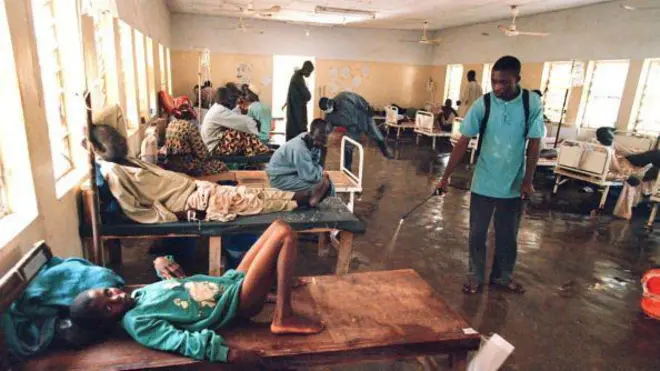
Meningitis for Nigeria
Similarly for Nigeria, wia meningitis outbreak dey reported frequently for di northern part of di country, di Nigerian Meteorological Agency (NiMet) don list 11 states wey dem say dey at high risk of Cerebrospinal Meningitis (CSM).
Sokoto, Zamfara, Kebbi, Katsina, Kano, Jigawa, Adamawa, Gombe, Bauchi, Yobe, and Borno dey included for di states.
Nimet also advise residents for di central states wey dey at moderate risk to remain alert and report suspected symptoms early.
Cerebrospinal Meningitis (CSM) na serious infection wey dey affect di brain and spinal cord, na bacterium Neisseria meningitidis commonly dey cause am.
E dey spread through respiratory droplets, especially for crowded or poorly ventilated places.
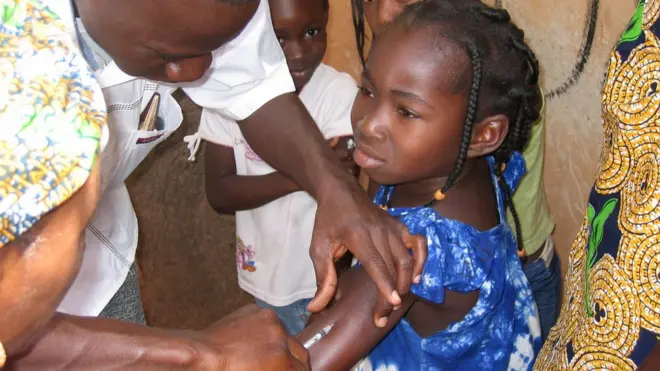
On how to prevent di disease, Nimet advice vaccination, good hygiene plus early medical care.
Dis article contain content wey X provide. We ask for una permission before anytin dey loaded, as dem fit dey use cookies and oda technologies. You fit wan read di X cookie policy and privacy policy before accepting. To view dis content choose 'accept and continue'.
End of X post