Which kontris fit profit from di US-Israel war wit Iran - and which ones go get di hardest hit?
- Author, Marina Daras
- Role, BBC World Service
- Author, Stephen Hawkes
- Role, BBC World Service
- Read am in 7 mins
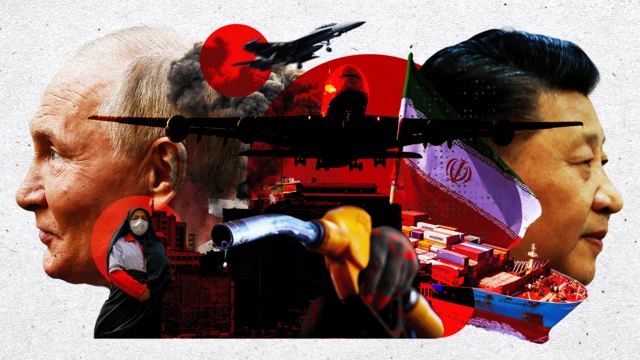
Clear winner no dey too dey for for wars - and ordinary pipo na dem often dey pay di highest price. Now wey global energy markets and supply chains dey scattered, some kontris around di world dey prepare for harsh economic consequences – but odas fit find new strategic opportunities among di chaos.
Di US-Israel war on Iran dey get dramatic consequences for di region and di world. E don destabilise di Gulf kontris and force hundreds of thousands across di Middle East to run comot from dia homes.
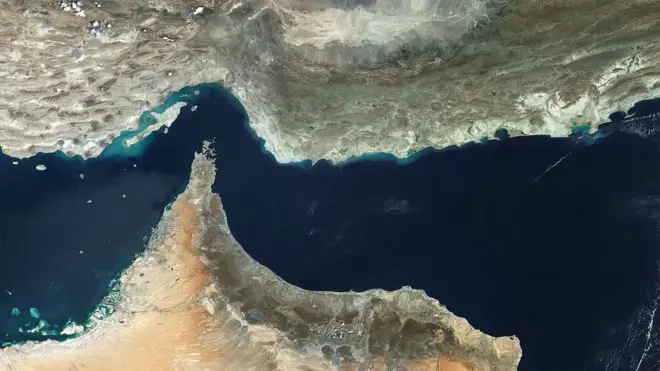
Further away from di war zone, di rise in oil prices and disruption of maritime traffic for di Gulf, especially in and around di Strait of Hormuz, dey raise costs for consumers and businesses.
But which kontris stand to lose – or gain – di most in di face of di turmoil?
Russia
Wia dis foto come from, Anadolu via Getty Images
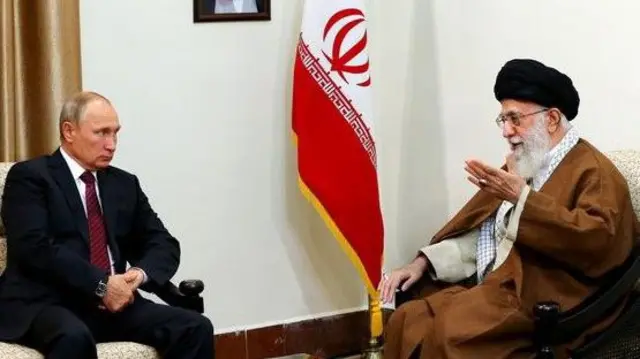
Iran na key ally and important military partner for Russia. And di killing of Supreme Leader Ayatollah Ali Khamenei mark yet anoda diplomatic setback for Moscow afta di overthrow of Bashar al-Assad for Syria, and di US capture of Nicolás Maduro, for Venezuela.
Yet, di conflict for di Middle East fit give Russia advantage for dia own war for Ukraine, as e dey divert US military resources away.
"Di depletion of Patriot missiles and interceptors dey beneficial to Russia becos e dey limit wetin Ukraine fit get for di market," na so Nicole Grajewski, wey be associate professor for di Paris Institute of Political Studies' Center for International Studies tell BBC News Russian.
Tehran increased need for Iranian Shahed drones, however, dey unlikely to get any significant impact on Moscow capabilities for Ukraine, sabi pipo tok.
"Russia bin dey rely on Iran for defence cooperation during a veri specific period for di beginning of di war for Ukraine, wen Iran bin provide Shahed drones and, importantly, dia production technology and licences for dis drones, for 2022–2023," Hanna Notte, Eurasia director for di Center for Nonproliferation Studies, for di US, tell BBC News
"We now dey at a stage for di war wia Russia no need Iran to carry on wit di war for Ukraine. Russia fit produce Shahed drones on dia own."
Meanwhile, Iran closure of di Strait of Hormuz, wey dey affect di shipment of oil and gas and send fuel prices to increase, fit provide some financial relief for Russia, wey don dey under significant strain becos of di war for Ukraine.
Russia federal budget dey rely on di kontri and dey export oil at $59 a barrel - but now, di price of crude don jump significantly, to almost $120 a barrel at one point. And wit major Gulf oil producers cutting production, Russia fit dey able to export more to important markets such as China and India.
"India bin don previously dey encouraged to reduce dia buying of Russian oil - but dem just get a sort of derogation by di US to dey allowed to buy Russian oil again, at least for di next month," David Fyfe, chief economist for Argus, a global energy and commodity market intelligence company, tok.
"And already some tok-tok dey go on about easing some of di sanctions on Russian oil to reduce some of di issues."
China
China neva see any dramatic effect from di war on Iran - but e go still feel di squeeze.
Only about 12% of di crude oil China import be Iranian, according to di Center on Global Energy Policy.
Furthermore, China don stockpile sufficient oil supplies for several months and fit easily turn to Russia for help afta dat.
But China "export-oriented industrial sector" go also dey hit, Fyfe tok.
Accounting for about 20% of China gross domestic product (GDP) - di total value of di goods e dey produce and services e dey provide - exports don become a key driver of dia economy, wey don dey affected by slumping property prices and weak domestic spending.
Maritime traffic disruption in and around di Strait of Hormuz no be such a problem for China - but e reach di Atlantic as e dey critical for Chinese products wey dey head to di West. And on di oda side of di Arabian Peninsula, di Bab el-Mandeb Strait, wey connect Asia, Europe and Africa, don see attacks by Yemen-based Houthis, wey be armed militia wey dey supported by Iran.
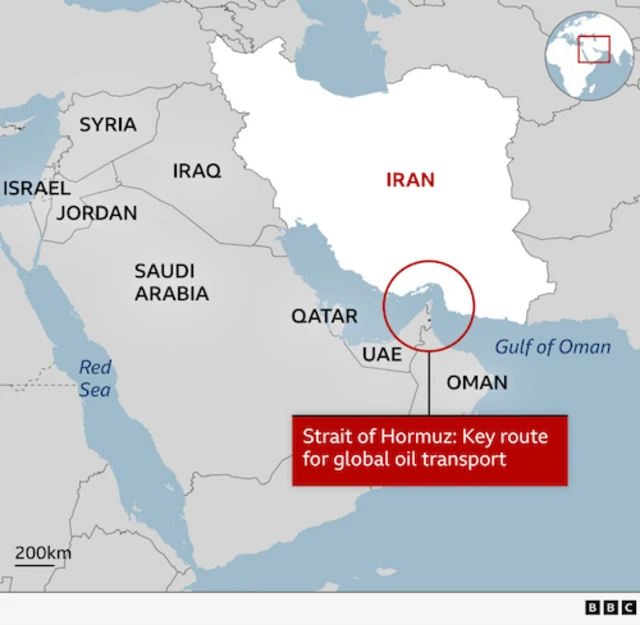
"E dey veri likely say di Red Sea traffic go again dey hit quite badly, and long-haul cargo ships from Asia wey wan go into di Atlantic basin go dey diverted around southern Africa and di Cape of Good Hope," Fyfe tell BBC News.
"High cost dey to pay for dat," na so Neil Quilliam, a Middle East expert for Chatham House, a London-based think tank, tok.
"E dey add 10 to 14 days to di journey. And depending on di goods, for average vessel, e dey cost about additional $2m."
Di war on Iran fit offer China diplomatic opportunities, however, as dem dey try to position dia sef as "responsible counter-balance" to di US, Philip Shetler-Jones, from di UK Royal United Services Institute, tell BBC News.
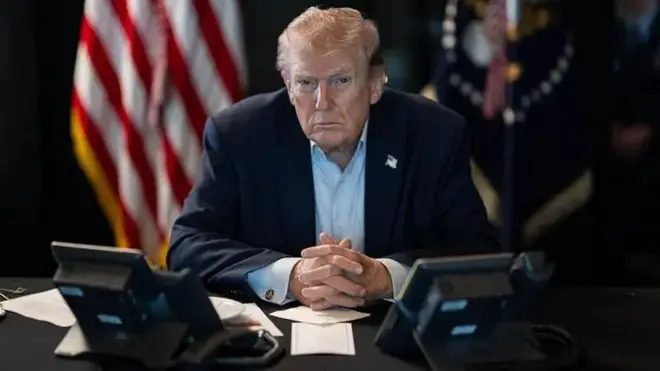
Chinese President Xi Jinping go continue to project im image as stable and predictable global leader in contrast to US President Donald Trump.
And di conflict fit also be chance for Beijing to "look for cues" on how Trump fit respond to oda flashpoints, including Taiwan, di self-governed island wey China dey claim.
Emerging economies
Hugely reliant on Middle Eastern oil and gas, South East Asian kontris dey set to dey hit hard by di war. And some don already take drastic austerity measures, hoping to reduce di economic impact as early as possible.
For Vietnam, di price of diesel don already rise by 60% since di start of di war - and di govment dey ask evrione to work from home if possible.
For di Philippines, wey dey import about 95% of dia crude oil from di Middle East, public-sector employees now dey work a four-day week, unless dem dey work for emergency services.
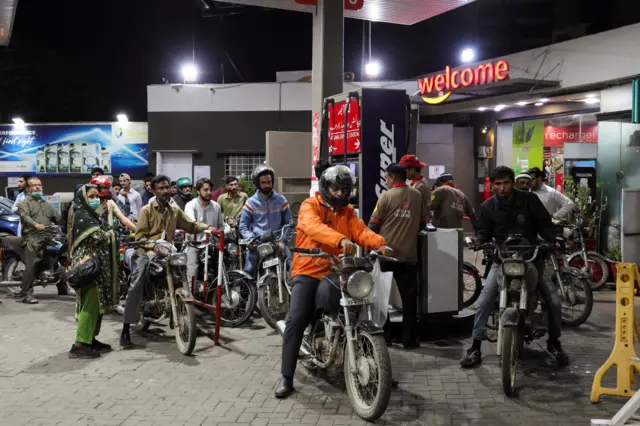
Similar restrictions dey introduced for Pakistan, wit di exception of banks. Wia e dey possible, work-from-home orders dey issued and university classes don move online.
For one televised address, Pakistani Prime Minister Shehbaz Sharif say e dey crucial to conserve and carefully ration di kontri fuel reserves.
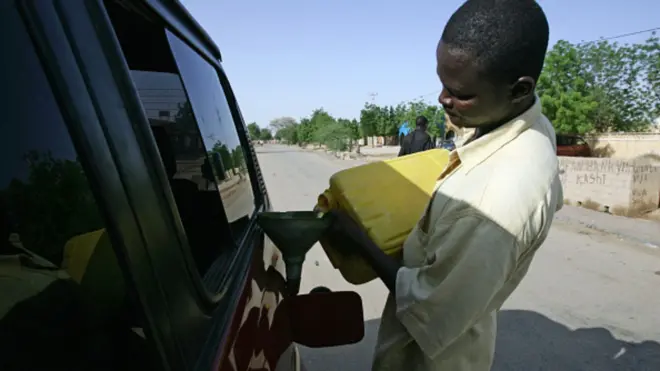
For Bangladesh, di govment dey struggle wit panic buying. Wit long queues at petrol stations, dem don introduce rationing - 10 litres a day for cars and just two for motorcycles.
Wia dis foto come from, Reuters
But di consequences of di war fit stretch far beyond energy shortages.
Farmers around di world depend on fertilisers to feed di soil wit di nutrients e need to grow food and make crops weather resistant. Any disruption fit lead to global food insecurity.
Quilliam tell BBC News: "30% of di world urea, wey be feed stock wey dey go into fertiliser, dey pass through di Strait of Hormuz. Urea come from petrochemicals, wey come from di process of refracting crude oil. So if you dey take off 30% of urea from global markets, dat wan go get material impact on global food security."
Following attacks on dia facilities, QatarEnergy, one of di world biggest gas exporters and a producer of urea for fertiliser, get to declare a force majeure, wey be emergency measure wey dey allow companies to temporarily suspend production and deliveries.
"You fit see well di impact in terms of food security, in terms of inflation, six, nine months down di line," Quilliam tok.
"E fit no materialise as yet - but as crops struggle, or as farmers struggle to get dia fertiliser, we go see a longer-term impact."
Additional reporting by BBC News Hindi and Elizaveta Fokht, BBC News Russian