Land Contamination
Both former and current land uses can pollute land and water resources by releasing pollutants to the environment.
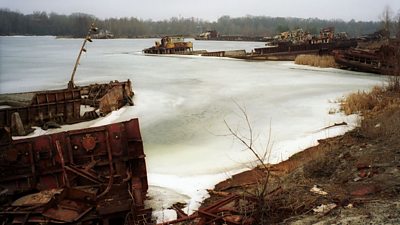
In the past (particularly before the 1990s) the environment was not protected in the same manner as under the contemporary regulatory regime. Consequently, historic activities and development have created significant areas of land contamination.
Contamination can create a risk to both personnel using a site, construction workers, the infrastructure of a development as well as the health of the surrounding environment. The BBC is committed to providing a safe working area for all BBC staff and supply chain as well as protecting the environment and BBC assets.
These guidelines establishes minimum operating standards that must be applied at all sites and the legal issues personnel must be aware of. If you have any queries relating to this Standard then you should contact the Safety Advice Line.
What Can Go Wrong?
General Hazards
The pollution can be caused by the following processes:
- Uncontrolled discharges of liquid chemicals including fuels and oils.
- Inappropriate disposal of solid and liquid waste products.
- Importation of contaminated construction materials
- Spillages or leakages from fuel, oil or chemical storage vessels, pipe work or plant.
- Leaching, due to rainfall infiltration and runoff, from materials deposited on open ground.
Legal/BBC Requirements
- There are no specific legal requirements to draw to your attention; you must still apply the control measures that are relevant to your activity.
Control Measures
Property Acquisition and Disposal
- When acquiring or disposing of property assets an Environmental Risk Screening Assessment must be undertaken as part of the due diligence process.
- Any significant contamination risks should be quantified.
- In the acquisition/disposal phase the liability for any contamination must be clearly determined.
- When acquiring property, any land contamination liability must be covered by suitable monies to ensure liability is fully accounted for.
- The appropriate Environment Agencies or Local Authorities should be contacted to ensure all duties are discharged.
Acquisition, design, construction and operation
- Baseline data at a site must be gathered and maintained at the site on the Baseline Data Form.
- An Environmental Risk Screening Assessment must be undertaken at the site every 5 years or when the baseline data significantly changes.
- Significant potential risks must be investigated and the presence or absence determined.
- Any substantiated risks must be assessed and where necessary monitoring and remedial systems proposed.
- Remedial systems must be enacted and validation that residual risks have been attained documented to the satisfaction of the necessary regulators.
- Report on the status of the land.
- The appropriate Environment Agencies or Local Authorities should be contacted to ensure all duties are discharged.
Division Specific Issues
- No division specific issues
FAQs/Did You Know?
- No FAQs
Recommended links
- BBC Workplace - Sustainability [BBC Network only]
- Sustainability(BBC Network only)
Environment topics
Air Pollution
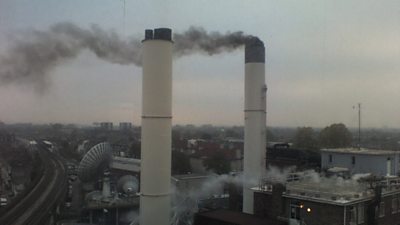
Air pollution can have damaging effects on human health and the environment and it is crucial to minimise emissions to the atmosphere.

Built Environment
In the UK these impacts are controlled by legislation, particularly planning law.
Energy Management
This guidance provides information on energy management associated with BBC activities in order to ensure good environmental practice and compliance with relevant legislation.
Environment on Production and Events
This guidance provides information on how to reduce the risk of environmental incidents, nuisance or legal non-compliance whilst making programmes and running events.


