Who be di winners and losers for US-Israel war wit Iran
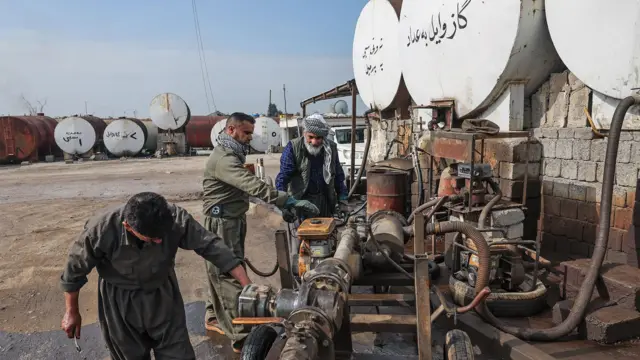
Wia dis foto come from, Sedat Suna / Gett Images
- Author, Dharshini David
- Role, Deputy economics editor
- Read am in 5 mins
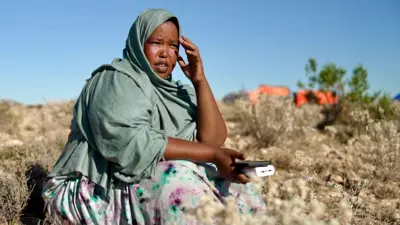
From rising heating oil bills for homes for Yorkshire to closing of schools to save bill for Pakistan, pipo don already dey seriously feel di financial fallout from di war for di Middle East.
E dey very clear say di impact of Tehran retaliation, wey dey designed to trigger economic disruption and damage fit no quick end.
Togeda wit those wey di war fit hit well-well, e get some wey dey benefit. So, who dem be?
Winners: Norway, Canada and Russia
For all di efforts to pursue renewable energy, di world still dey rely heavily on oil and gas.
When reserves plenty, e dey promise great riches, so crude don dey labelled "black gold". When price rise, producers dey typically cash out, while di users pocket dey hear am.
But dis no be your usual oil price shock.
Di Middle East continue to be di heart of supply, di Strait of Hormuz na di main artery.
Di impact of a de facto blockage and attacks on energy infrastructure for di region don hit Gulf producers like Qatar and Saudi Arabia hard, as Tehran target America allies.




End of Di one wey oda users dey read well well
As customers find alternative sources, na di likes of Norway and Canada fit gain.
Afta Russia attack Ukraine for 2022, and wen many countries try move away from relying on Russian gas, Norway bin increase dia production and take advantage of di situation.
Meanwhile, Canada Energy Minister Tim Hodgson bin quickly position im country as "a stable, reliable, predictable, values-based producer of energy", but questions bin rise about how much production dem fit raise.

Wia dis foto come from, Getty Images
Instead, who go be di biggest winner from dis war fit be Russia. Dis na as Washington relax di rules to ease di global supply shortage. Russia crude oil sales to India don jump by 50%.
Some estimate say Moscow fit earn up to $5bn (£3.7bn) or more by di end of March, and dem fit dey on track for dia biggest year of fuel-related revenues since 2022.
America risk handing Moscow big windfall at di expense of Gulf nations. Oda potential gainers dey too.
As some countries showcase dia use of coal, na correct opportunity for big exporters like Indonesia, as di price of dat fuel don also rise.
Losers: US, UK and Europe
President Donald Trump say wen oil price go up, US " dey make plenty money".
Certainly, American oil producers fit dey on track to make tens of billions of dollars of extra revenues dis year if crude prices remain around current levels.
But dat no make America a net winner.
Firstly, becos some producers dey heavily exposed to di disruption for di Middle East. ExxonMobil, for instance, get operations for Qatar Ras Laffan industrial hub, wia dem don shut down operations since early March, and wey Iranian missile attacks, now don hit and cause "extensive damage".
Secondly, afta years of cutting back capacity for di face of decreasing wholesale prices, many shale producers fit ramp up output quickly.
And most important of all: on top per person basis, Americans na di biggest users of oil and gas for di planet.
From cranking up di heat for di harsh Midwest winters, to fuelling di driving season, dem dey heavily exposed to di fluctuating price of fossil fuels.
Economists for Oxford Economics warn say if oil prices rise to $140 - and stay for dia - di economy go risk shrinking.
Wia dis foto come from, Bloomberg via Getty Images
Of course, Americans no dey alone for di mata. Di reliance of European consumers - and those for UK - on imported gas in particular mean greater risk to growth.
And dat go hapun through inflation: market developments ova di last few weeks fit add roughly 0.5% to inflation later for di year, if price continue to rise, e go across and affect oda items like fertiliser and shipping costs.
Di good news na say, in becoming more energy efficient ova di years, di West in general dey more resilient to energy price shocks pass as e be bifor.
But wit, for example, as oil and gas dey make up more dan half of energy consumption for UK, drivers, household heating bills and forthose energy-intensive sectors like manufacturing continue to dey exposed – wey dey true for many nations across di world.
Much of di impact go depend no be just on di future direction of prices, but govment responses, wey be heated topic.
E no dey surprising say many authorities no rush to think about large-scale bailouts, becos dia finances too dey under fire.
Di response of bond markets to di risk of higher inflation dey threaten to add billions to di costs of countries wey already dey in debt.
Naturally, though, di greatest immediate threat bin dey directed to di usual customers of di oil and liquid gas wey dey flow east through di Strait of Hormuz.
Asia dey get 59% of dia crude oil from di Middle East, South Korea, get 70%. As shares for there don drop sake of disruption and cost concerns, politicians also don warn of di risk e get on di country chipmaking industry.
South Korea dey make more dan half of di world memory chips. For oda places, fuel rationing, four-day weeks plus di closure of educational establishments dey among di measures wey countries like Sri Lanka, Bangladesh and di Philippines don introduce.
But di biggest guzzlers for di continent don dey kind of protected, through planning and diplomacy.
China dey sit on reserves wey equal to a good few months of usage and dem don reportedly ramp up purchases from Iran.
Di same na true of India, as dem also take advantage of dat temporary green light to turn to Russia.
Di greater di risk if di war continue, as e no go only cause damage to individual countries, but e go cause spillovers.