Bringing your own equipment to work and contributor’s equipment
Information for those bringing their own phone chargers and other pieces of electrical equipment into a BBC building with the intention of plugging it into the mains. This is also useful to guidance to follow when contributors bring their own electrical items into the BBC.

What is bring your own device?
‘Bring your own device’ or BYOD is more commonplace with the advent of personal mobile phones, tablets and the like, although it is common in productions where freelancers might bring their own cameras or similar equipment.
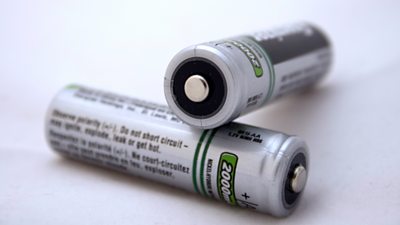
Where equipment is employee owned, if it is in the workplace there is a legal requirement to ensure it is kept safe and, as an employee, you have duties to do so as well. Equipment owned by employees (such as mobile phone chargers or laptop power supplies for example) should be subjected to the same checks as BBC-owned equipment. Guidance on the checks to do are explained in guidance on equipment safety pages (see links).
If you are unsure of whether your electrical devices are safe or need checking, request a formal inspection and test from your line manager.
If you are a freelancer (even if on a long-term contract) using your own equipment, you have general duties under the law to maintain your equipment and you must be able to provide the BBC with evidence of electrical safety inspection and/or testing such as ‘PAT’ records. This is a requirement regardless of whether you hire the equipment to the BBC or supply it as part of your work.
BBC Safety have developed a new Safety Short on the safety of contributor's electrical equipment at BBC premises. It summarises the key safety requirements for the connection of electrical equipment into BBC electrical systems. This will include, for example, performing artist's musical instruments plugged into studio electrical supplies.
It explains what safety testing and documentation may be required, and where responsibility rests for checking these are in place.
What Can Go Wrong?
Injuries or fires arising from:
- Damaged or broken equipment
- Chaffed, cut or other damage to electrical cables
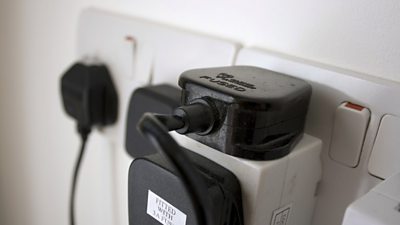
- Damage to plugs and sockets such as bent pins, damaged cases, signs of overheating or exposed wires
- Inappropriate use of equipment (e.g. connecting a European style plug into a UK style socket)
BBC Legal Requirements
- The Electricity at Work Regulations 1989 (EAWR) require electrical equipment in the workplace to be maintained, regardless of ownership (e.g. employee-owned, leased or hired)
- The EAWR requires employees to ensure they keep their equipment in good order and to help the employer to do so.
- Freelancers bringing their own equipment must be able to provide evidence of electrical safety checks for it.
- Guidance on what checks to do and how often they should be done is available on the Safety of electrical equipment pages. Most employee owned equipment is likely to be low-risk and simple visual checks on each use may be all that is required.
- Employees must not use any electrical equipment (whether their own or not) if they suspect it of being damaged or dangerous. If safe to do so, disconnect it and take it out of service and report it as a near miss on the Safety Hub.
Division Specific Issues
- This guidance applies across the BBC.
Recommended links
- Certificate in Temporary Electrical SystemsElectrical safety training course designed to ensure those working with electricity in temporary distribution systems on productions can comply with BS 7909
Useful documents
Safety Short - Contributors Electrical Equipment[BBC Network only] BBC Electrical User Checks[BBC network only] BBC Guidance on Electrical Transformers(BBC Network only)Version 3. May 2023
BBC electrical safety topics
Electrical safety homepage
A selection of guidance documents and general advice in relation to Electrical Safety in BBC premises, on productions and events.

BBC policies for electrical safety
BBC policies detailing its overarching approach to the management of electrical safety.
BBC electrical safety guidance documents
Summary of BBC electrical guidance (links within document titles)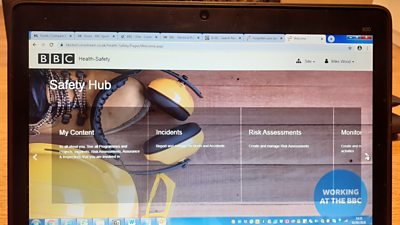
Electrical risk assessments and reporting of incidents
This section will help those who need to do a risk assessment where electricity is being used. It also gives guidance on reporting requirements for any electrically-related incident.