Electrical Safety in Studios
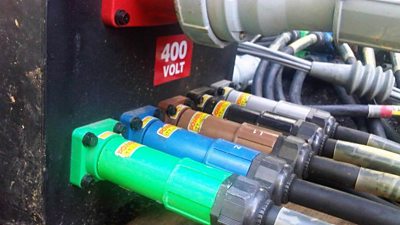
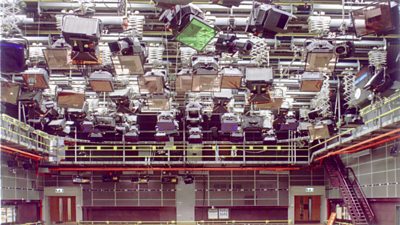
This page gives general guidance on the use of and risks associated with electrical systems in studios. Work within studios will most likely involve the use of fixed electrical installations, temporary electrical systems and the use of electrical equipment.
Updated: 7 July 2023
What Can Go Wrong?
Electricity creates many potential hazards, some common ones are as follows:
- Fires can occur if electrical equipment (including wiring) develops a fault or circuits are overloaded.
- Contact with electricity can cause electrical shock and/or burns
- Faults with mains electrical systems can develop a tremendous amount of energy in a short time - so much so that it actually causes explosions
- Electrical protection devices can be rendered useless by long cables or the wrong equipment
- Productions may use effects such as pyro, water or similar that can impact on the electrical system and increase the hazards significantly
- Fires and burns from contact with hot surfaces, such as luminaires
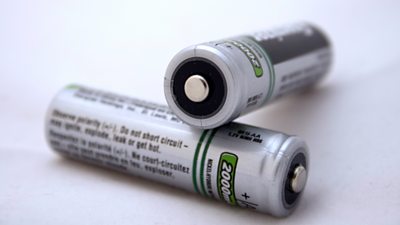
- Batteries can start and sustain fires if the terminals are shorted together
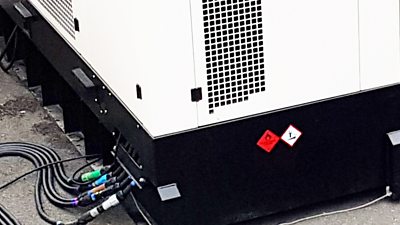
- Shock risks can be exacerbated if multiple supplies are used, such as a generator supply feeding a lighting rig in a studio
Legal/BBC Requirements
- All electrical systems have to comply with the Electricity at Work Regulations 1989. This requires electrical systems and equipment to be maintained and, importantly, protection methods (such as circuit breakers and RCDs) to be effective and operate if there is a fault
- For both the permanent installation and temporary electrical systems, the BBC requires compliance to be achieved by following the IET Wiring Regulations (BS 7671) – often known as ‘The 18th Edition’ or ‘The Wiring Regs’
- Depending on the scale of the temporary system in the studio, the requirements of BS 7909 (which is the Code of Practice for temporary electrical systems for entertainment and related purposes, published by BSI) may also apply
- All systems should be designed by someone suitably competent, whether an electrical installation in a set, modifications to the existing permanent installation or the temporary system for a show
- All studio electrical equipment (including the installation wiring) must be inspected and tested regularly. For studios hosting public audiences the interval will be in region of every three years. Dimmers, stage machinery and other equipment may need servicing more often. Equipment should be checked in accordance with the BBC guidance on electrical equipment and appliance testing
- For studios or venues where the public are present there are additional requirements in Technical Standards for Places of Entertainment published by the ABTT
General Requirements
- All persons working with/on electrical systems must be competent, the required skill level with be relative to the type of work involved.
- All electrical equipment must be appropriately tested and inspected at regular intervals, but ALL equipment should be subject to the necessary user checks before being deployed
- Contractors or suppliers bringing in electrical equipment must be able to demonstrate that it has undergone electrical safety checks (e.g. PAT records)
- All temporary electrical systems must be designed where necessary and tested with the relevant paperwork completed
- Do not leave systems unattended when powered up unless suitable measures have been put in place to isolate the system in the event of a problem.
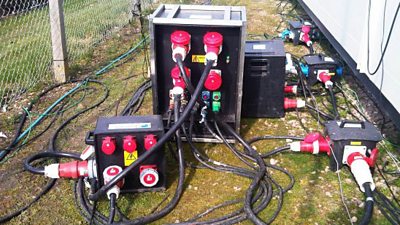
- Where multiple contractors are bringing in electrical equipment consideration should be given to ensuring that electrical requirements (e.g. power loads, earthing arrangements) are co-ordinated.
- Metal structural elements may need protective bonding to the electrical earthing arrangements. In most studios with painted floors or wooden rostra, this is likely to be unnecessary. It is important to realise that putting protective bonding on structures that don’t need it could introduce a hazard that wouldn’t otherwise be there
- Sets, stages and similar which are wired up (e.g. set lighting, practicals or effects) will require full testing and inspection by a competent electrician. See also: Sets, Safety of (recommended links below)
- It should be possible to isolate all supplies in the event of an emergency and the location of such isolating devices known, along with any other safety arrangements. This may require electrical plant rooms to be accessible at all times
- Plant rooms and electrical cupboards are not to be used for storage
- All cables to be appropriately routed and/or protected to reduce trip hazard and secure lamps & stands to avoid movement. Rubber mats do not provide mechanical protection for cables, they only reduce the trip hazard. Cables routed across access/egress routes should be in proper cable ramps
- Excess electric cable should not be left coiled as this can lead to overheating in the cable
- Consider members of the public when cabling and siting equipment, particularly ones who may have mobility or sight impairment
- Lighting is not the only department using power. The obligations extend to all those using or supplying electrical equipment in whatever quantity or scale
Divisional Requirements
- BBC Workplace is responsible for inspection and test for the fixed electrical supply and infrastructure in BBC buildings.
- Each division/department is responsible for its own electrical equipment and must have systems in place to ensure that appropriate checks are in operation.
- The facilities management teams can arrange for the inspection and testing of equipment that you plug into the building supply.
Useful documents
BS 7909 Flowchart[BBC network only] BS 7909 Certification and Sign Off (Word doc) Completion Certificate G1 - for use with BS 7909 Schedule of Test Results - Form G2 for use with BS 7909 Form G3 - BS 7909 certificate of Electrical completion BBC Guidance on Electrical Equipment Testing[BBC network only] Revision 12. May 2023
Recommended links
- Certificate in Temporary Electrical SystemsElectrical safety training course designed to ensure those working with electricity in temporary distribution systems on productions can comply with BS 7909
BBC electrical safety topics
Electrical safety homepage
A selection of guidance documents and general advice in relation to Electrical Safety in BBC premises, on productions and events.

BBC policies for electrical safety
BBC policies detailing its overarching approach to the management of electrical safety.
BBC electrical safety guidance documents
Summary of BBC electrical guidance (links within document titles)
Electrical risk assessments and reporting of incidents
This section will help those who need to do a risk assessment where electricity is being used. It also gives guidance on reporting requirements for any electrically-related incident.