Electrical Safety Policies
Electricity is a powerful source of energy that is found in all workplaces and the BBC places a high priority on maintaining electrical safety in the workplace.

On this page you will find links to the Corporate Policies which details the BBC's expectations and states the requirements for effective management of electrical safety.
There are three Policies, one for Infrastructure, one for Operations and one for Workplace.
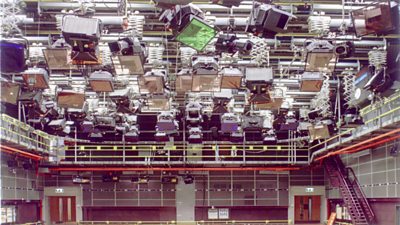
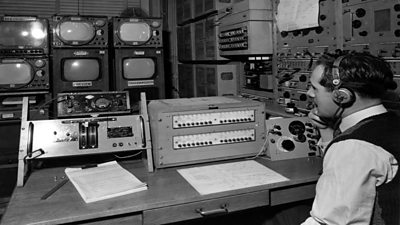
- The infrastructure policy is concerned with the fixed installations of buildings, IT server rooms, studio installations and similar.
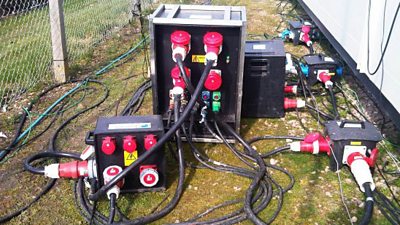
- The Operations Policy details what the BBC does – location filming, news, drama and the like where electrical systems are largely temporary.
- Workplace has specific requirements for electrical systems managed by BBC Workplace.
The Policies state the overarching requirements and objectives of the BBC with the detail contained in guidance for each subject, such as portable appliance testing or bringing your own device to work. These are given in the individual pages from the electrical home page.
The safe use of electricity can be a complex subject. If you cannot find answers to what you need, please contact your Safety Adviser.
What Can Go Wrong?
Electricity can kill or severely injure people and it causes damage to property, as well as injuries, by initiating fires.
The risk of injury is generally greater with higher voltages. Effects on the person include:
- Stopping the heart beating properly
- Preventing the person from breathing
- Causing muscle spasms and permanent muscle damage, including to the heart muscles.
- Electrical burns
- Eye injuries from electrical arcing (‘arc-eye’)
The risk is not always that of electric shock and other effects include:
- Electrical short-circuits causing explosions and fires
- Fires arising from overloaded circuits
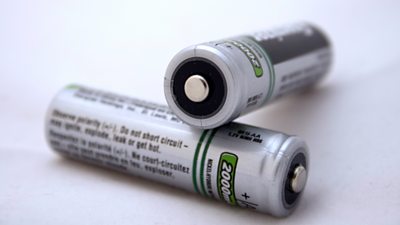
- Fires from battery faults or poor management
Legal/BBC Requirements
- The Electricity at Work Regulations 1989 (EAWR) apply in all business operations without exception, even at lower voltages. For example, batteries and similar can store considerable energy and present a fire risk, even though the risk of electric shock is reduced
- The practical application of the EAWR depends on many factors. The BBC guidance on the BBC Safety website is organised into work activities to help staff apply the requirements effectively
- You must never perform, or allow work on or near exposed, accessible, live parts unless it is absolutely unavoidable and suitable precautions have been taken to prevent injury, both to the workers and to anyone else who may be in the area. Work near live parts includes, for example, workers inadvertently exposed to damaged equipment or cables where conductors are accessible. As insulation is so cheap and easily applied (such as a plastic insulating barrier), this requirement verges on that of an absolute duty. Work near live parts will be limited to very rare situations, such as electrical equipment repair facilities or testing of electrical systems by electricians where suitable control measures are in place
- You must disconnect electrical equipment (not just turn it off) if you believe there is a fault and, if possible, remove it from service. It is important to record any occurrences on Safety Hub as a near-miss
- If you ever see anything electrical that looks unusual or something you think is potentially dangerous, you must report it
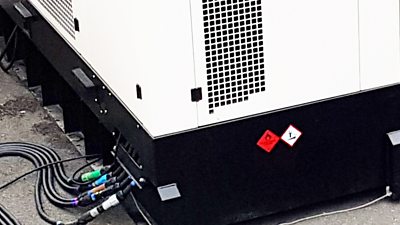
- All work activities where electrical systems or equipment is being used should be assessed for electrical hazards. In many instances it will be a simple assessment but where electrical risks are greater (e.g. temporary systems subject to damage on location or in studios, use of generators, wet locations) a more detailed assessment will be required. There is guidance on identifying electrical hazards on the Electrical risk assessment and incident reporting page
Division Specific Issues
- BBC Workplace is responsible for inspection and test for the fixed electrical supply and infrastructure in BBC buildings.
- Each division/department is responsible for its own electrical equipment and must have systems in place to ensure that appropriate checks are in operation.
- The facilities management teams can arrange for the inspection and testing (Portable Appliance Tests) of equipment that you plug into the building supply.
Useful documents Electrical Safety Policies
BBC Electrical Safety Policy - Infrastructure[BBC Network only] Revision 10. May 2023 BBC Electrical Safety Policy - Operations[BBC network only] Revision 8. May 2023 BBC Electrical Safety Policy - Workplace[BBC network only] Version 4. May 2023
Recommended links
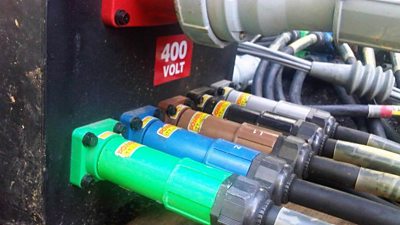
- Certificate in Temporary Electrical SystemsElectrical safety training course designed to ensure those working with electricity in temporary distribution systems on productions can comply with BS 7909
BBC electrical safety topics
Electrical safety homepage
A selection of guidance documents and general advice in relation to Electrical Safety in BBC premises, on productions and events.

BBC policies for electrical safety
BBC policies detailing its overarching approach to the management of electrical safety.
BBC electrical safety guidance documents
Summary of BBC electrical guidance (links within document titles)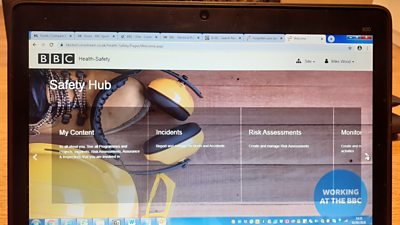
Electrical risk assessments and reporting of incidents
This section will help those who need to do a risk assessment where electricity is being used. It also gives guidance on reporting requirements for any electrically-related incident.